Tourism in Vaupés — Mitú, Amazon Rainforest and Indigenous Culture
Tourism guide to Vaupés: Mitú, virgin Amazon rainforest, Tucano, Cubeo and Desano indigenous communities, Vaupés rapids and border ecotourism with Brazil.
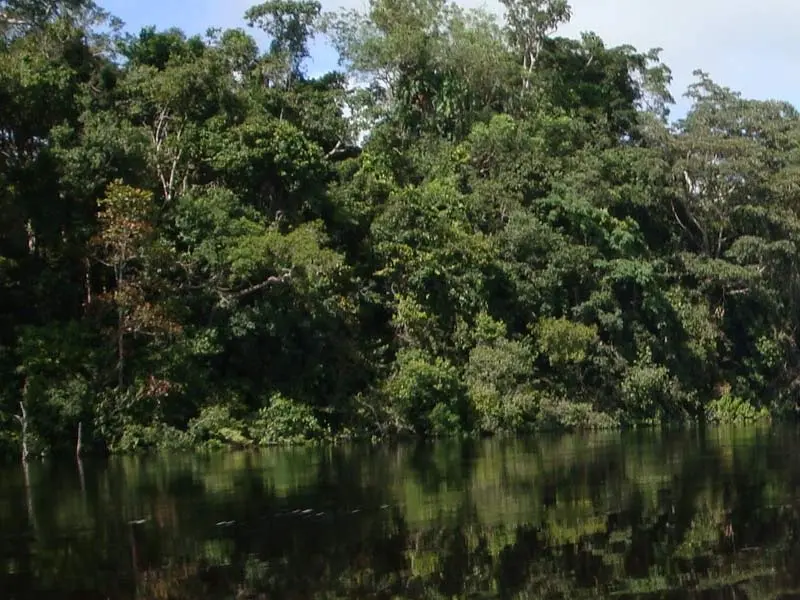
Vaupés is one of the most remote and unexplored departments in Colombia, a territory of virgin Amazon rainforest, blackwater rivers and one of the highest concentrations of linguistic diversity in the world: over 25 indigenous groups (Tucano, Cubeo, Desano, Barasana, Makuna and others) coexist in Vaupés, speaking different languages and maintaining their traditions for millennia in the isolation of the jungle. Its capital, Mitú, is the easternmost city in Colombia, 740 km from Bogotá and without any road connecting it to the rest of the country.
Tourism in Vaupés is maximum adventure, for travelers specialized in ecotourism and ethnography. The Vaupés River rapids (waterfalls and rapids on quartzite rock), the upland jungle with jaguars, tapirs and hundreds of endemic birds, and the indigenous malocas where yuruparí rituals are practiced are the attractions of a department that is just beginning to open its doors to responsible tourism. Vaupés covers 65,268 km² and has barely 45,000 inhabitants.
Main Tourist Attractions
| Attraction | Type | Description |
| Vaupés River Rapids | Nature / Adventure | The Vaupés River forms spectacular rapids (falls on quartzite rock) near Mitú and along its course toward Brazil. The Yavaraté rapids are the most spectacular: white water on black rock deep in the Amazon rainforest. Kayaking and canoeing in calmer stretches. |
| Tucano and Cubeo Indigenous Communities | Culture / Ethnography | Vaupés has the highest linguistic diversity per km² in the world. Guided visits to Tucano and Cubeo communities to learn about the maloca (ceremonial communal house), the yuruparí ritual (sacred, only partly visible), Amazon pottery, natural fiber weaving and jungle cuisine. |
| Virgin Jungle and Amazon Wildlife | Ecotourism / Wildlife | The upland jungle of Vaupés is habitat of the jaguar, tapir, white-lipped peccary, woolly monkey and over 600 bird species. Hiking with indigenous guides who know every tree, animal and medicinal plant in the jungle. |
| Mitú — Border Town | City / Culture | Colombia's easternmost capital has an airport connecting to Villavicencio and Bogotá (the only way to get there). Mitú's artisan market sells moriche palm baskets, artisanal fishing traps, Amazon seed necklaces and indigenous hammocks. |
| Blackwater Rivers | Nature / Fishing | Vaupés rivers are blackwater (acidic pH due to leaf tannins), crystal-clear and with low fish productivity. Habitat of the peacock bass, payara and tucunaré. Highly specialized sport fishing in a peerless primary jungle setting. |
| Border with Brazil — Yavaraté | Adventure / Cultural | The municipality of Yavaraté, on the border with Brazil, is only accessible by canoe along the Vaupés from Mitú (1-2 days). Cultural exchange with indigenous communities on both sides of the border and the border rapids. |
Typical Cuisine
Food in Vaupés is Amazonian and indigenous. Mañoco (granulated bitter cassava casabe, the staple of the Tucano diet) is eaten in soups, with fish broth or jungle fruits. Amazon fish (tucunaré, payara, gamitana) smoked or boiled in bijao leaves, catara (big-bottomed ant mixed with chili and mañoco, a ritual condiment), Amazon fruits (asaí, copoazú, arazá, camu-camu) and fermented yuca masato (ceremonial drink) make up the jungle diet.
Adventure and Outdoor Activities
Kayaking on the Vaupés rapids, hiking in virgin jungle with indigenous guides, peacock bass fishing in remote rivers, cultural tour to Tucano malocas and bird watching of endemic Amazon species (over 600 species) are the activities available in Colombia's most jungle-covered department.
How to Get There
Mitú has Fabio Alberto León Bentley Airport (MVP) with flights from Bogotá (2 hours) on Satena (not daily, 3-4 weekly flights) and from Villavicencio with charter flight operators. There is no land or direct river connection to the interior of Colombia. All tour logistics in the department are organized from Mitú with local indigenous operators.
Where to Stay
In Mitú: basic 2-star accommodation in town. For visiting communities: accommodation in indigenous malocas (hammocks, no modern comforts, authentic ethnographic experience). Bring all equipment: repellent, light clothing, first-aid kit, water filter. Best season: December–February (low water in rivers, better access to rapids).
Festivities and Events
Mitú Anniversary Celebration (November), Payará Festival (sport fishing, October–November), indigenous yuruparí celebrations and initiation rituals of the Tucano communities (variable dates, access with community permission). Indigenous festivities are sacred and not open to general tourism.
Also check the climate of Vaupés, the list of municipalities of Vaupés and the complete guide to Colombian festivities.
You may also be interested in