Tourism in Guainía — Inírida, Tepuis and Virgin Jungle
Tourism guide to Guainía: Inírida, Mavecure Hills, Inírida Fluvial Star UNESCO, virgin Amazon rainforest and Puinave and Curripaco indigenous communities.
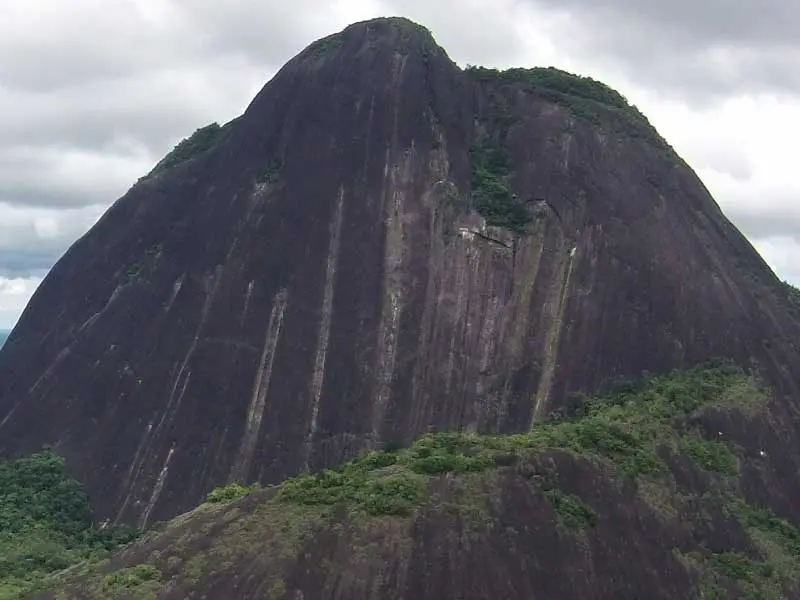
Guainía is one of the most remote and unexplored departments in Colombia, a territory where the Amazon rainforest and the Guiana savanna meet at the confluence of the Inírida, Guaviare and Orinoco rivers. Its capital, Inírida, is the farthest city in Colombia from the country's center (1,100 km from Bogotá, no road access) and the gateway to the country's most unique natural spectacle: the Mavecure Hills, three quartzite tepuis rising 200 meters from the flat jungle as guardians of the Inírida River.
The Inírida Fluvial Star —where the Inírida, Guaviare, Atabapo and Orinoco rivers converge— was declared a Ramsar Site of international importance in 2014. The department covers 72,238 km² with a population of barely 20,000 inhabitants, mostly indigenous from the Puinave, Curripaco, Piapoco and Sikuani ethnic groups. Tourism here is genuinely about adventure and nature.
Main Tourist Attractions
| Attraction | Type | Description |
| Mavecure Hills | Nature / Adventure | Three pink quartzite tepuis (Mavecure, Pajarito and Mono) rising vertically up to 200 meters above the surrounding savanna and jungle. Ascent to Mavecure hill (with indigenous guide) with panoramic views of the Inírida River. Boat tour from Inírida (4-5 hours). |
| Inírida Fluvial Star | Nature / Wetlands | Confluence of four rivers (Inírida, Guaviare, Atabapo and Orinoco). Ramsar Site 2014. Boat tour to see the meeting of black and white waters, river dolphins and water birds. The phenomenon is most spectacular in the low water season (January–March). |
| Flor de Inírida | Nature / Botany | The local Elodea, known as "Flor de Inírida", is the department's symbol. It grows on the banks of blackwater rivers and has colorful flowers that emerge above the water. One of the most iconic images of Guainía. |
| Curripaco and Puinave Indigenous Communities | Culture / Ethnography | Guided visits to indigenous reserves on the Inírida River and tributaries. Moriche and chiqui-chiqui fiber crafts, musical instruments (zampoñas, ritual maracas), ancestral medicine with Amazon plants and yuruparí rituals. |
| Blackwater Lakes and Rivers | Nature / Fishing | Guainía's blackwater rivers are habitat of the peacock bass (the largest species of pavón in the world). Sport fishing in jungle lakes, kayaking on calm tea-colored waters and tonina (river dolphin) spotting. |
| Savannas of Inírida's La Macarena | Nature / Landscape | Floodable quartzite savannas with miniature tepui vegetation: bromeliads, orchids, carnivorous plants (bladderworts) and endemic grasses. Habitat of the titirijí hummingbird and the Roraima antbird. |
Typical Cuisine
Food in Guainía is Amazonian and indigenous. Mañoco (granulated bitter cassava casabe, the staple of indigenous diet) is eaten with fish broth or wild fruits. Fried peacock bass, payara steamed in bijao leaves, catara (spicy sauce made with bachaco —big-bottomed ant— mixed with mañoco, an indigenous condiment), Amazon fruits (arazá, copoazú, asaí) and chontaduro form the basis of local gastronomy.
Adventure and Outdoor Activities
Ascent to Mavecure hill with an indigenous guide is the department's most emblematic adventure. Kayaking on blackwater rivers through the jungle, peacock bass fishing in remote lagoons, dolphin watching tour at the Fluvial Star and hiking on tepui savannas with endemic flora complete the offering for the adventure traveler.
How to Get There
Inírida has Cesar Gaviria Trujillo Airport (INI) with flights from Bogotá (2 hours) on Satena (2-3 weekly flights, not daily). There is no road connecting Inírida to the rest of Colombia. From Inírida to the tour starting point: boat on the Inírida River. All river transport logistics are organized with local tour operators.
Where to Stay
In Inírida: basic 2-star hotels in the town center. For the Mavecure hills: camps in indigenous communities (hammocks under palapa). The experience is basic but authentic. Bring repellent, light clothing and equipment for 4-5 days without electricity. Best season: January–March (low water, better river visibility).
Festivities and Events
Inírida Anniversary Festivities (June), Cachicamo Festival (October), Yuruparí rituals of the Curripaco communities (sacred, not open to general tourism but visible in their external aspects). Inírida's artisan market operates on weekends.
Also check the climate of Guainía, the list of municipalities of Guainía and the complete guide to Colombian festivities.
You may also be interested in