Tourism in Chocó — Pacific, Whales and Jungle
Tourism guide to Chocó: Nuquí, Bahía Solano, humpback whales, Pacific whale watching, Acandí, Chocó jungle and Afro-Colombian cuisine.
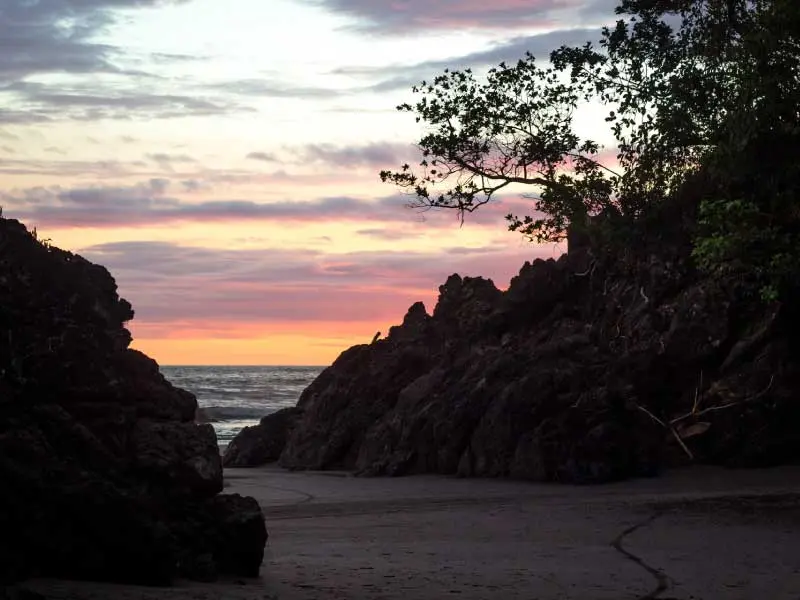
Chocó is the only department in Colombia with coastlines on two oceans —the Pacific and the Caribbean— and one of the most biodiverse places on the planet. Its humid forest receives over 8,000 mm of rainfall per year (among the rainiest regions in the world), making it an ecosystem of extraordinary richness: over 8,000 species of vascular plants, 800 bird species and dozens of endangered mammals. The capital, Quibdó, sits on the Atrato River, the most voluminous river in Colombia by flow per km².
Chocó's great tourist attraction is the Pacific coast: Nuquí and Bahía Solano are roadless paradises with black sand beaches, jungle reaching the sea's edge, mangroves and the passage of humpback whales (July–October) that come to breed in the warm waters of the Colombian Pacific. Chocó also offers the Caribbean charm of Acandí and the Darien Gap, as well as Afro-Colombian and Embera indigenous communities with ancient cultures and knowledge.
Main Tourist Attractions
| Attraction | Type | Description |
| Humpback Whale Watching | Nature / Wildlife | From July to October, hundreds of humpback whales (Megaptera novaeangliae) arrive in the Chocó Pacific to breed and give birth. Boat tour from Nuquí or Bahía Solano to see the whales breaching, singing and nursing their calves. One of the most spectacular nature experiences in Colombia. |
| Nuquí and Pacific Beaches | Beach / Nature | Nuquí is the main destination on the Chocó Pacific: black sand beaches with jungle to the sea, surfing on perfect waves, sea turtles, exotic birds and Afro-Colombian communities. Only accessible by small plane from Medellín (45 minutes) or Quibdó. |
| Bahía Solano | Beach / Nature | The second destination on the northern Chocó Pacific. Mutis town, El Almejal beach, La Tunda waterfall, jungle hiking, diving with whale sharks (October–January) and dolphins. Flights from Medellín (45 minutes). |
| Chocó Jungle and Embera People | Ecotourism / Culture | Chocó is home to Embera indigenous communities that maintain their traditions: dugout canoe building, tagua pottery, ancestral medicine and jagua body paint. River tours from Quibdó. |
| Acandí and Capurganá (Caribbean) | Beach / Nature | Chocó's Caribbean coast. Acandí has white sand beaches on the Caribbean. Capurganá is a roadless paradise (boat from Turbo, Antioquia): coral reefs, diving, snorkeling and the trail to La Miel (Panama). |
| Atrato River and Quibdó | Nature / Culture | The Atrato River —declared a subject of rights by Colombia's Constitutional Court— is Chocó's vital artery. River tour from Quibdó to Afro-Colombian riverside communities, manatee spotting and river culture. |
| Utría — National Park | Ecotourism / Jungle | Utría National Park (on the Pacific, between Nuquí and Bahía Solano) has Utría Bay —a tranquil emerald cove— with whale watching from the shore. Hiking in primary jungle, reefs and endemic fauna. |
Typical Cuisine
Chocó's cuisine is Afro-Colombian, drawing from the sea and the jungle. Fish encocado (snapper, corvina or sea bass in coconut milk with spices) is the star dish. Tapao de pescado (cooked in bijao leaves with plantain and yam), rice with piangua (mangrove mollusk), chontaduro (protein-rich Amazon palm fruit, eaten with honey or salt), borojó (aphrodisiac Pacific fruit) and viche (artisanal black sugarcane liquor) are must-tries. Chocó viche is Colombian Intangible Cultural Heritage.
Adventure and Outdoor Activities
Whale watching by boat (July–October) is the most exciting experience in the country. Surfing at Playa Termales and Playa Cocalito (waves up to 3 meters, perfect), diving with whale sharks in Bahía Solano (October–January), hiking in primary jungle in Utría National Park, mangrove kayaking and artisanal fishing with Afro-Colombian communities are unique in Colombia.
How to Get There
Quibdó has El Caraño Airport (UIB) with flights from Bogotá (1 hour) and Medellín (30 minutes). For Nuquí and Bahía Solano: small planes on Satena or ADA from Medellín (45 minutes) or Quibdó (30 minutes) — no road access. For Acandí and Capurganá: speedboat from Turbo (Antioquia, 2 hours) or small plane from Medellín. The lack of roads is the guarantee of Chocó's intact nature.
Where to Stay
In Nuquí: solar-powered ecotourism lodges facing the sea (Pijibá Lodge, El Cantil). In Bahía Solano: El Almejal lodge (reference for the Colombian Pacific), lodges in Mutis town. In Quibdó: 2-3 star hotels downtown. Book 2-3 months in advance during whale season (July–October), the most popular time of year.
Festivities and Events
Petronio Álvarez Pacific Music Festival in Cali (August, the largest Pacific Colombian music event), San Francisco de Asís Festivities in Quibdó (September–October, patron saint celebrations with river parades), Whale Festival in Bahía Solano (August).
Also check the climate of Chocó, the list of municipalities of Chocó and the complete guide to Colombian festivities.
You may also be interested in