Climate of Chocó
Temperature, thermal floors, rainy seasons and best time to visit Chocó. Complete climate data by municipality.
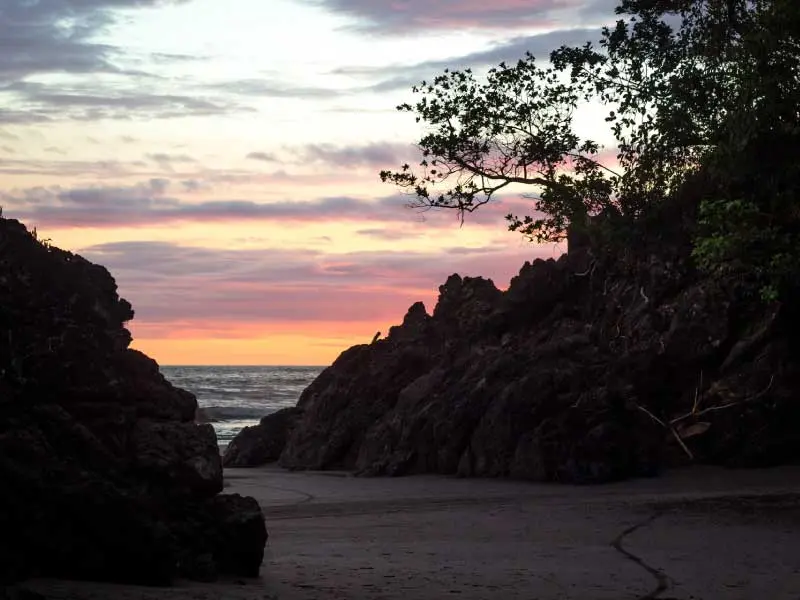
The department of Chocó is home to the rainiest places on the planet. Quibdó, its capital, is considered the rainiest city in the world with records of up to 13,000 mm annually, and an average temperature of 27 °C combined with permanent relative humidity above 90%. Lloró, a few kilometers from Quibdó, holds the world record for precipitation. This extreme climatic condition is responsible for the megadiversity of Chocó, one of the regions with the greatest biodiversity per square kilometer on the planet. The Chocó Pacific coast —with beaches like Nuquí, Bahía Solano and Capurganá in the Caribbean— has local variations, but no area of the department can be considered dry.
THERMAL FLOORS OF CHOCÓ
Temperature in Chocó varies by altitude. These are the department's thermal floors:
| Thermal Floor | Altitude | Temperature | Municipalities |
| Warm hyper-humid Pacific | 0 – 500 m | 25 – 30 °C | Quibdó, Istmina, Tadó, Condoto, Lloró |
| Warm humid Caribbean | 0 – 200 m | 26 – 30 °C | Acandí, Unguía, Capurganá |
| Temperate highlands | 500 – 2,000 m | 17 – 24 °C | Bagadó, Alto Baudó |
RAINY AND DRY SEASONS IN CHOCÓ
There is no dry season in Chocó. It rains during every month of the year. January and February are relatively less rainy (3,000–4,000 mm/month) compared to the September–November peak (more than 1,000 mm/month). Humpback whales visit the waters of the Chocó Pacific between July and October.
TEMPERATURE BY MUNICIPALITY IN CHOCÓ
Average annual temperatures of the main municipalities of Chocó:
| Municipality | Average Temperature |
| Quibdó | 27 °C |
| Istmina | 27 °C |
| Tadó | 27 °C |
| Condoto | 26 °C |
| Nuquí | 27 °C |
| Bahía Solano | 27 °C |
| Acandí | 28 °C |
| Capurganá | 28 °C |
BEST TIME TO VISIT CHOCÓ
January and February: months with relatively less rain. For humpback whale watching: July to October in the Pacific (Nuquí, Bahía Solano). For Capurganá and Acandí (Caribbean): December–March. Waterproof gear and rubber boots are essential all year round.