Barranquilla Carnival — UNESCO Intangible Heritage
Everything about the Barranquilla Carnival: dates, events, UNESCO history, parades, music, and how to get to Colombia's biggest carnival.
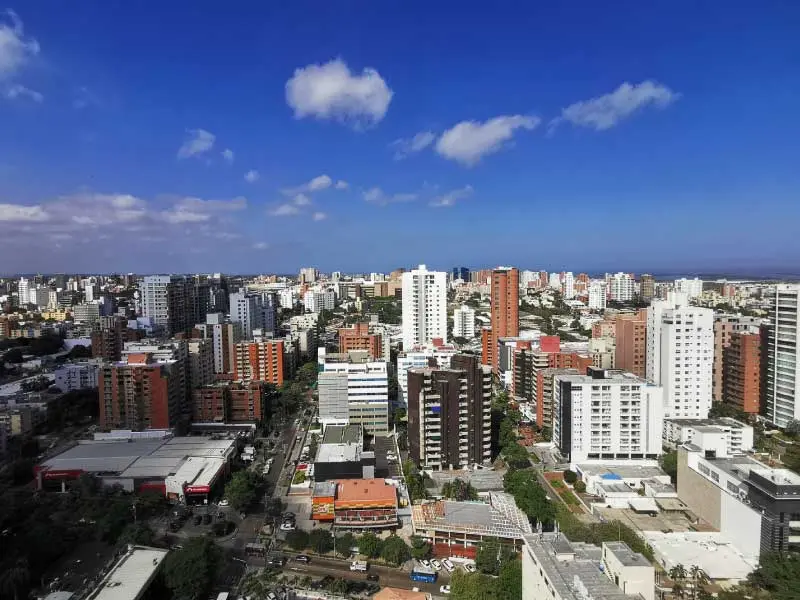
The Barranquilla Carnival is Colombia's most important popular festivity and one of the largest in the world. Declared UNESCO Intangible Cultural Heritage of Humanity in 2003, it takes place in the city of Barranquilla, capital of the Atlántico department, during the four days before Ash Wednesday. Each year it draws over a million national and international visitors who fill the streets with color, music, and dance.
The carnival has roots in the fusion of three cultures: Indigenous, African, and Spanish, which blended in Colombia's Caribbean region during the colonial period. The result is an unparalleled celebration featuring over 400 cultural expressions, from ancestral dances like mapalé and cumbia to modern comparsas and extravagant costumes. The central character is Joselito Carnival, a fictional figure who "dies" on the last day, symbolizing the end of the party.
Dates and Duration
The Barranquilla Carnival lasts four days and always ends on the Tuesday before Ash Wednesday, so the dates vary each year according to the liturgical calendar. Pre-carnival events — prior dance, music, and theater activities — begin in November and intensify in January and February.
| Event | Day | Description |
| Bando Reading | Friday | Official opening act. The Carnival Queen proclaims the bando authorizing the start of the festival. |
| Battle of Flowers | Saturday | Inaugural parade along Vía 40. Floats, comparsas, costumes, and the Carnival Queen. |
| Great Tradition Parade | Sunday | Folk dance parade with groups performing mapalé, cumbia, congo, garabato, and porro. |
| Great Fantasy Parade | Monday | Visually elaborate parade: fantasy costumes, themed comparsas, and characters. |
| Burial of Joselito | Tuesday | Carnival closing. The "widows" comically mourn Joselito's death. Tuesday is the most intense carnival day. |
Music and Tradition
The carnival's soundtrack is cumbia, the mother rhythm of Colombian music, alongside mapalé, porro, chandé, fandango, and gaita. Traditional dance groups compete for the Congo de Oro, the carnival's most important recognition. Vallenato also has a strong presence at private parties and street concerts.
Where It Takes Place
The major parades (Battle of Flowers, Great Parade) are held on Vía 40, the coastal avenue along the Magdalena River. Bleachers and box seats sell out months in advance. The El Prado, Boston, and Barranquillita neighborhoods host street parties, neighborhood comparsas, and popular verbenas during the four days.
How to Get There
Barranquilla has the Ernesto Cortissoz Airport (BAQ) with direct flights from Bogotá (1 h), Medellín (1 h), and Cali (1:30 h). During carnival, flights sell out weeks in advance — book at least 2 months ahead. From Cartagena, there is a direct bus in 2 hours via the Ruta del Sol highway.
Where to Stay
North Barranquilla (El Prado, Ciudad Jardín, Alto Prado) has the best hotel options. During carnival, hotels fill up completely — book 3 months in advance. Family home stays and seasonal apartment rentals are also available. Cartagena (2 h) works as an alternative base if Barranquilla is saturated.
Practical Tips
- Wear comfortable, light-colored clothes that you don't mind getting stained — cornstarch powder and water are part of the street party.
- Purchase bleacher seats for the parades in advance on the official carnival website.
- Tuesday is the most intense day and has higher theft risk — leave valuables at the hotel.
- Hydration is key: Caribbean heat in February can exceed 32 °C (90 °F).
- Carry cash in pesos for street food, transportation, and neighborhood bleachers.
See also: Tourism in Atlántico · Climate of Atlántico · Municipalities of Atlántico
You may also be interested in