Climate of Sucre
Temperature, thermal floors, rainy seasons and best time to visit Sucre. Complete climate data by municipality.
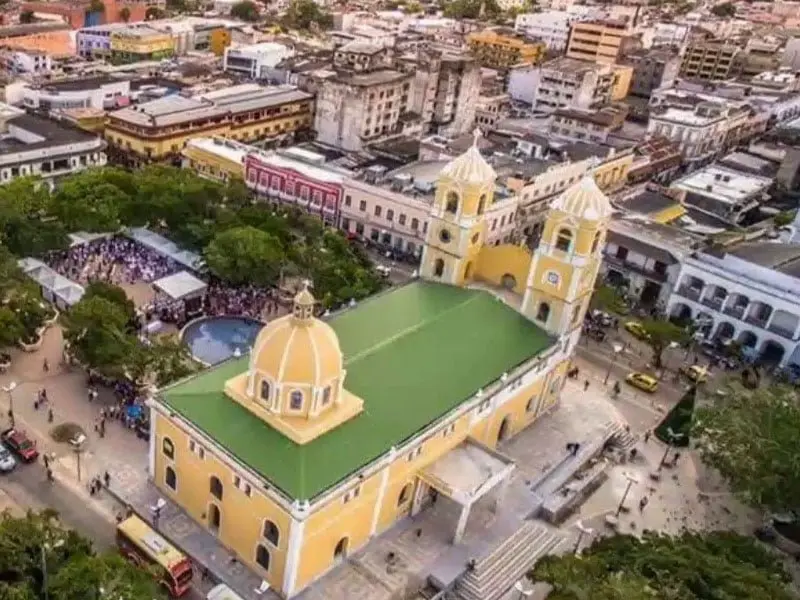
The department of Sucre has a warm and humid climate characteristic of the inland Colombian Caribbean. Sincelejo, its capital, located in the plains of the Montes de María subregion at 213 meters above sea level, records temperatures of 27 to 33 °C. The department encompasses three large subregions with differentiated microclimates: the savanna to the south and east, the wetlands and the Gulf of Morrosquillo to the north, and the Montes de María to the west with higher altitude and vegetation. The La Mojana wetland, in the southeast of the department, experiences massive seasonal floods that create a temporary aquatic landscape, similar to the flooded plains. The Gulf of Morrosquillo, on the north coast, has Caribbean beaches with warm and calm waters.
THERMAL FLOORS OF SUCRE
Temperature in Sucre varies by altitude. These are the department's thermal floors:
| Thermal Floor | Altitude | Temperature | Municipalities |
| Warm humid | 0 – 400 m | 27 – 34 °C | Sincelejo, Sampués, Corozal, Tolú, Morroa |
RAINY AND DRY SEASONS IN SUCRE
Bimodal regime: dry December–April, rainy May–November. Sincelejo receives 1,000–1,400 mm annually. The La Mojana area floods between August and October when the Magdalena and Cauca rivers rise. The coast of Tolú and Coveñas is a dry season tourist destination (December–March).
TEMPERATURE BY MUNICIPALITY IN SUCRE
Average annual temperatures of the main municipalities of Sucre:
| Municipality | Average Temperature |
| Sincelejo | 29 °C |
| Sampués | 29 °C |
| Corozal | 29 °C |
| Tolú | 30 °C |
| Coveñas | 30 °C |
| San Marcos | 31 °C |
| San Benito Abad | 31 °C |
| Morroa | 29 °C |
BEST TIME TO VISIT SUCRE
December to March: dry season, Tolú and Coveñas beaches at their best, Holy Week very busy. For La Mojana and waterbird watching: September–October during the flood. Avoid October–November in low areas due to flood risk.