Tourism in Norte de Santander — Cúcuta, Catatumbo and Pamplona
Tourism guide to Norte de Santander: Cúcuta, colonial Pamplona, Catatumbo Lightning, Los Estoraques Unique Natural Area and border cuisine.
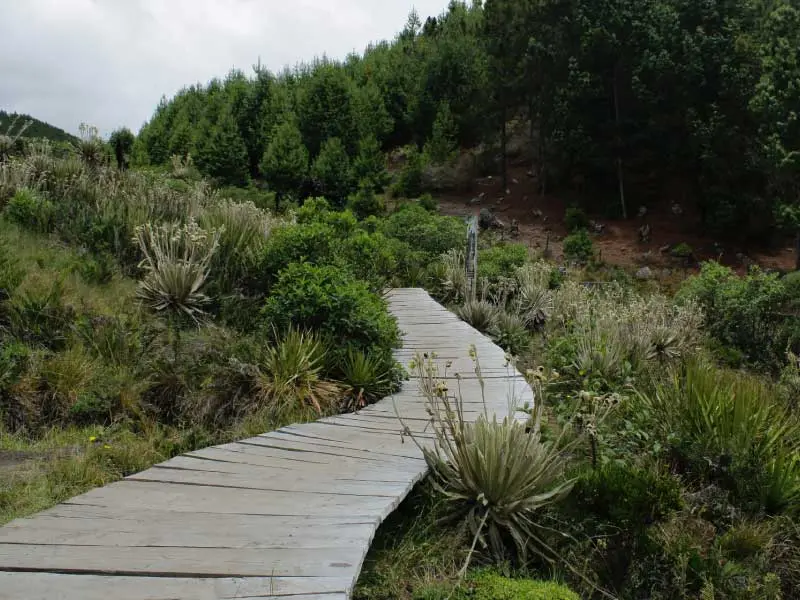
Norte de Santander is the border department with Venezuela in northeastern Colombia, a territory where the eastern Andes meet the Catatumbo River plain and Lake Maracaibo. Its capital, Cúcuta, is the most dynamic border city in Colombia —and one of the most active in South America— due to its commercial and cultural exchange with Venezuela via the Simón Bolívar international bridge.
The two most unique attractions in the department are colonial Pamplona —the coldest and most university-oriented city in the department at 2,340 meters above sea level— and the spectacular Catatumbo Lightning: the most intense electrical phenomenon on the planet, with lightning storms of up to 280 strikes per hour over Lake Maracaibo in the municipality of Puerto Santander, visible from Colombia. The department has 40 municipalities.
Main Tourist Attractions
| Attraction | Type | Description |
| Catatumbo Lightning | Nature / Phenomenon | The most intense electrical phenomenon on Earth: up to 280 lightning strikes per hour and 150 nights per year over Lake Maracaibo in the Catatumbo basin. Recognized by Guinness as the world's greatest lightning generator. Night boat tours to see the spectacle from the Catatumbo River. |
| Los Estoraques | Nature / Landscape | Los Estoraques Unique Natural Area, in La Playa de Belén. Sedimentary rock formations in ochre and gray tones eroded by water into columns, mushrooms and labyrinths that resemble an alien city. Hiking among the stone towers (1-3 hours). The most unusual park in northeastern Colombia. |
| Pamplona — Colonial City | Heritage / Culture | Colonial city at 2,340 meters above sea level, founded in 1549. Historic center with Pamplona Cathedral, 16th-century colonial churches, historical museums and the University of Pamplona (the oldest in northern Colombia). Cold climate (13°C average) and highland cuisine. |
| Cúcuta — Border City | City / Commerce | Department capital, at 320 meters above sea level. Casa de la Cultura Omar Cancino (about the signing of the 1821 Constitution at the Cúcuta Congress), Pamplonita River Boardwalk, Simón Bolívar International Bridge and the commercial zone of Villa del Rosario. |
| Salazar de las Palmas | Nature / Livestock | Cattle-raising town famous for its corralejas (popular bullfighting festivals) and the production of bocadillo veleño (guava sweet), made in Norte de Santander and Santander. Tropical climate at 800 meters above sea level. |
| Chitagá and Santurbán Páramo | High Mountain / Nature | The Santurbán Páramo, on the border with Santander, is one of the most important water-providing ecosystems in Colombia. High Andean lagoons, frailejones and the mining controversy that has turned Santurbán into a symbol of water defense in Colombia. |
Typical Cuisine
Norte de Santander cuisine mixes Andean and Venezuelan influences. Mute de maíz (pilado corn soup with tripe, potato and spices, a local version of pot stew) is the most representative dish. Pepitoria (rice with hen blood, giblets and spices), peeled corn arepa, morcón (pork sausage), Pamplona pork rind and rice masato are typical. On the border: Venezuelan hallacas and tequeños during December.
Adventure and Outdoor Activities
The night tour to the Catatumbo Lightning (by boat from El Zulia or Puerto Santander, 2-4 hour river journey) is the most unique experience in the department. Hiking in Los Estoraques, trekking in the Santurbán Páramo, rafting on the Zulia River and rock climbing near Pamplona complete the adventure offering.
How to Get There
Cúcuta has Camilo Daza Airport (CUC) with flights from Bogotá (1 hour 10 minutes), Medellín (1 hour) and Barranquilla (1 hour). By land from Bogotá: 15 hours via Tunja-Bucaramanga-Cúcuta road. From Bucaramanga to Cúcuta: 4 hours. To Los Estoraques: shared van Cúcuta-La Playa (3 hours). To Catatumbo: organized tours from Cúcuta with guide.
Where to Stay
In Cúcuta: 3-4 star hotels downtown and in Villa del Rosario. In Pamplona: 2-3 star university hotels. For Los Estoraques: basic accommodation in La Playa de Belén. For Catatumbo: night tour with return to Cúcuta or riverside camp (logistics with specialized operator).
Festivities and Events
Cúcuta Fair (June), Pamplona Holy Week (with Judas burning, one of the most striking in the country), Cúcuta International Piano Festival (October), Salazar de las Palmas Corralejas (January).
Also check the climate of Norte de Santander, the list of municipalities of Norte de Santander and the complete guide to Colombian festivities.
You may also be interested in