Tourism in Magdalena — Santa Marta, Tayrona and Ciudad Perdida
Tourism guide to Magdalena: Santa Marta, Tayrona National Park, Ciudad Perdida (Teyuna), Sierra Nevada de Santa Marta, Mompox UNESCO and coastal cuisine.
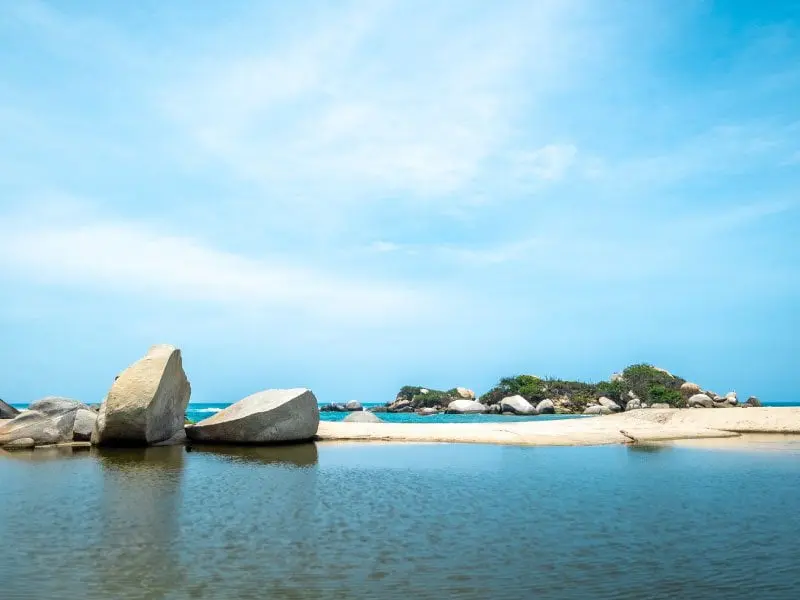
Magdalena is the tourist department of the Colombian Caribbean par excellence: its capital, Santa Marta, is the oldest city founded by Europeans in Colombia (1525), nestled between the Caribbean Sea and the Sierra Nevada de Santa Marta —the highest coastal mountain in the world, with Pico Simón Bolívar and Pico Cristóbal Colón at 5,775 meters above sea level— creating a unique landscape of snow, jungle and sea within 50 km. The Tayrona National Natural Park, with its white sand beaches between boulders and jungle, is the most visited park in Colombia.
The department's archaeological treasure is Ciudad Perdida (Teyuna), a pre-Hispanic city of the Tayrona culture built around the 9th century AD, accessible only via a 4-6 day trek through the Sierra Nevada. Mompox, on the banks of the Magdalena River, was declared a UNESCO World Heritage Site in 1995 for its intact 16th-18th century colonial architecture. The department has 30 municipalities and receives over 3 million tourists per year.
Main Tourist Attractions
| Attraction | Type | Description |
| Tayrona National Natural Park | Nature / Beach | The most visited park in Colombia. Beaches of Cabo San Juan del Guía, Arrecifes, La Piscina and Bahía Concha amid dense tropical jungle and granite boulders. Coral reefs, walking crabs, howler monkeys and snakes. Entry only on foot (no cars). 35 km east of Santa Marta. |
| Ciudad Perdida (Teyuna) | Archaeology / Adventure | The largest pre-Hispanic city in Colombia (9th century AD), built by the Tayrona culture at 1,300 meters above sea level in the Sierra Nevada. 4-6 day trek from El Mamey (via Santa Marta) through tropical jungle, rivers and 1,200 stone steps carved a thousand years ago. Requires certified guide. |
| Santa Marta — Historic Center | Heritage / City | The oldest city in Colombia (founded 1525). Cathedral Basilica (the oldest in the country), Liberator's House Museum (where Simón Bolívar died in 1830), El Rodadero as an urban beach resort and the artisan market on Carrera 5ta. Taganga (5 km away) was the most famous fishing village in the Colombian Caribbean. |
| Mompox — UNESCO Heritage | Colonial Heritage / Culture | Colonial city on the banks of the Mompox arm of the Magdalena River. 16th-18th century preserved architecture: Santa Bárbara Church (unique octagonal tower), Albarrada Street, Mompox Cemetery (National Heritage), gold and silver filigree (the finest craftsmanship in Colombia). UNESCO World Heritage 1995. Only accessible by boat or small plane. |
| Sierra Nevada de Santa Marta | High Mountain / Culture | The highest coastal mountain in the world (5,775 meters above sea level). Homeland of the Kogui, Arhuaco, Wiwa and Kankuamo peoples. The path to Ciudad Perdida crosses its jungles. Indigenous peoples maintain the Sierra as sacred territory. |
| Palomino and Northern Beaches | Beach / Nature | Beach town on the border with La Guajira. White sand beach, Palomino River (river-to-sea tubing), backpacker hostels, hammocks and surfing. Quieter than Tayrona, with a more relaxed vibe. |
Typical Cuisine
Santa Marta cuisine is Caribbean coastal. Coconut rice with shrimp is the emblematic dish of Santa Marta. Red snapper viudo (cooked in coconut broth), patacón with hogao and cheese, Santa Marta-style arepa de huevo, guandul sancocho with pork and garlic shrimp from the public market are must-tries. At Santa Marta's Public Market, corozo, níspero and tamarind juices are the quintessential coastal drinks.
Adventure and Outdoor Activities
The trek to Ciudad Perdida (4-6 days) is the most epic adventure in the Colombian Caribbean. Diving on the Taganga reefs (the most affordable diving spot in the Colombian Caribbean), surfing at Playa Bello Horizonte, tubing on the Palomino River, hiking in Tayrona National Park and boat excursions to the coastal bays complete the offering.
How to Get There
Santa Marta has Simón Bolívar Airport (SMR) with flights from Bogotá (1 hour 20 minutes), Medellín (1 hour 10 minutes), Cali (1 hour 30 minutes) and Barranquilla (20 minutes). From Barranquilla by bus: 2 hours via the Troncal del Caribe. To Tayrona National Park: shared van or taxi from Santa Marta (45 minutes). To Ciudad Perdida: buses to Machete or El Mamey (3 hours from Santa Marta), then start of the trek.
Where to Stay
In Santa Marta: 4-5 star hotels in El Rodadero, boutique hotels in the historic center, hostels in El Centro neighborhood. In Tayrona National Park: eco-habs at Cabo San Juan (reserve weeks in advance for Easter). In Palomino: lodges and hostels facing the sea. In Mompox: colonial lodges on Albarrada (with or without air conditioning).
Festivities and Events
Santa Marta Sea Festival (July), Francisco el Hombre Festival in Riohacha (nearby, January), Sea and Biodiversity Week in Tayrona National Park (March). Mompox celebrates its Holy Week with nighttime processions of illuminated floats that are visually comparable to those of Popayán.
Also check the climate of Magdalena, the list of municipalities of Magdalena and the complete guide to Colombian festivities.
You may also be interested in