Tourism in Arauca — Plains, Creeks and Llanero Culture
Tourism guide to Arauca: Orinoco creeks, cattle ranches, llanero tourism, El Tuparro Natural Park and how to get to the Venezuela border.
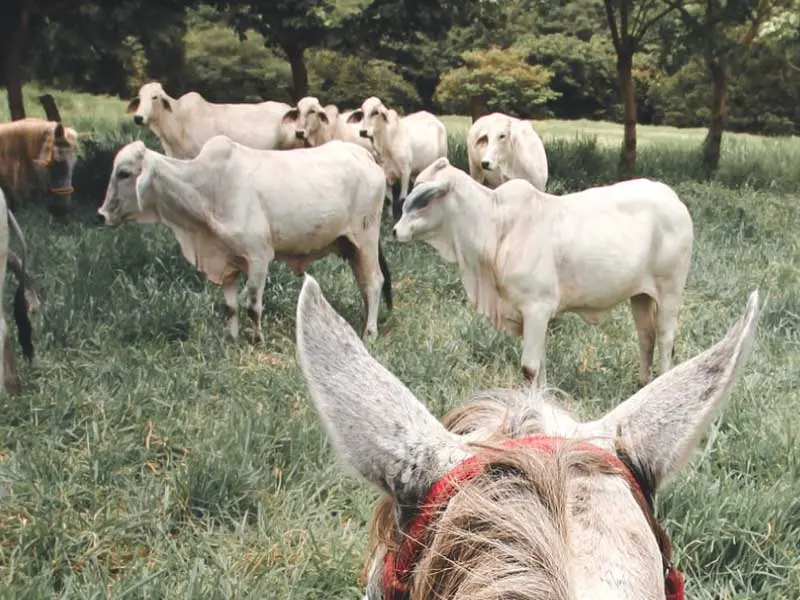
Arauca is a tropical lowlands department in the foothills of the eastern Andes, bathed by the Arauca River that marks the border with Venezuela. Its territory is part of the Colombian Llanos Orientales, an ecosystem of floodable savannas, creeks, moriche swamps and cattle ranches that represents the essence of llanero culture. The capital, also called Arauca city, is a point of commercial and cultural exchange with Venezuela via the José Antonio Páez international bridge.
Tourism in Arauca revolves around llanero nature: sport fishing in creeks and rivers, wildlife watching (capybaras, caimans, babillas, herons, toninas), extensive cattle ranching on centuries-old hatos and the vibrant musical culture of joropo. The department has 7 municipalities and a cultural identity deeply rooted in Colombian-Venezuelan llanero tradition. Saravena, Tame and Arauca are the municipalities with the greatest tourist offering.
Main Tourist Attractions
| Attraction | Type | Description |
| Plains Creeks and Rivers | Nature / Fishing | El Limonar creek, Claro creek and the Arauca River are destinations for sport fishing of pavón, payara and cachama. Dawn boat tours to spot river dolphins (toninas) and anacondas. |
| Cattle Ranches (Hatos) | Agrotourism / Culture | Visit traditional ranches to learn about plains work: milking, cattle shoeing, bull tailing and joropo around the llanero campfire. The Santa Bárbara and La Trinidad ranches are open to tourism. |
| Plains Wildlife — Capybaras and Caimans | Nature / Wildlife | The floodable savannas of Arauca host the highest concentration of capybaras in Colombia. Orinoco caimans, babillas, pink herons, ibises and savanna deer. |
| El Malecón Linear Park (Arauca city) | City / Culture | Riverfront promenade on the Arauca River with views of Venezuela. Fish restaurants, llanero crafts, coleo sculpture and local nightlife. |
| Tame and Andean Foothills | Nature / Adventure | Tame, 150 km from the capital, is the gateway to the Andean foothills. Waterfalls in the La Lindosa mountain range, páramos and connection to the Casanare plains. Birthplace of the hero Simón Bolívar during the liberation campaign. |
| Coleo and Joropo | Culture / Sport | Coleo (bull tailing on horseback) is the quintessential llanero sport. Coleo festivals in Arauca city (December). Araucan joropo and contrapunteo have been UNESCO Intangible Heritage since 2017. |
Typical Cuisine
Arauca's llanero cuisine is meat-based and open-fire cooked. Mamona (llanero-style veal, slowly roasted on a stick over hot coals) is the emblematic dish of the plains. Pabellón criollo (black beans, rice, shredded beef, fried plantains), smoked capybara, catfish in plantain broth, corn cachapas and panela guarapo are typical. Arauca's artisanal llanero cheese and dulce de leche have regional fame.
Adventure and Outdoor Activities
Sport fishing in Araucan creeks (pavón, payara, yamu) is the most sought-after activity. Plains wildlife photo safari at dawn, tonina (river dolphin) spotting on the Arauca, coleo at the mangas and trekking through the Andean foothills in the La Lindosa mountain range complete the adventure offering.
How to Get There
Arauca has Santiago Pérez Quiroz Airport (AUC) with flights from Bogotá (1 hour 20 minutes) on Satena and Easy Fly. By land from Bogotá: 18 hours via Sogamoso and Tame (not recommended for tourism). From Tame to Arauca city: 3 hours by road. The border with Venezuela (Arauca–El Amparo) is the only active Colombian-Venezuelan land crossing in the area.
Where to Stay
In Arauca city: 2-3 star hotels downtown. In Saravena: the largest hotel offering in the department for foothills visitors. For an authentic llanero experience: cattle ranches that offer full-board accommodation with field activities. Best season: December–March (llanero summer, accessible roads, wildlife concentrated in wetlands).
Festivities and Events
International Joropo Festival in Arauca (December), International Coleo Tournament (December), Fiestas de Arauca (June). Tame Cultural Week in honor of the independence martyrs.
Also check the climate of Arauca, the list of municipalities of Arauca and the complete guide to Colombian festivities.
You may also be interested in