Tourism in La Guajira — Cabo de la Vela, Punta Gallinas and Desert
Tourism guide to La Guajira: Cabo de la Vela, Punta Gallinas, Wayuu desert, Riohacha, Sierra Nevada, indigenous communities and how to get to the northern tip of Colombia.
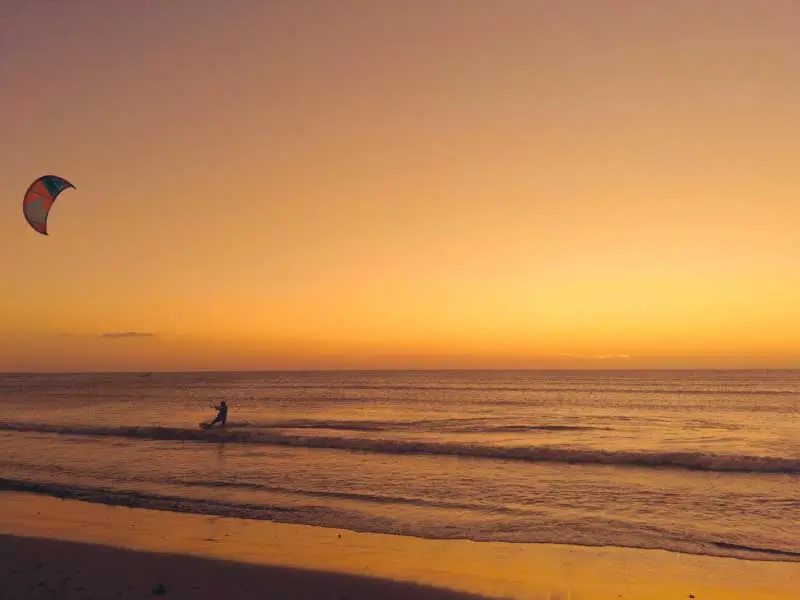
La Guajira is the northernmost department of Colombia and South America, an arid, windswept territory where the desert plunges into the Caribbean Sea in yellow cliffs and sand dunes that fall directly into the water. Punta Gallinas, the northernmost point of the South American continent, is also the most remote and spectacular destination in the country. The Wayuu culture —Colombia's largest indigenous people with over 300,000 people— defines La Guajira's identity: their handwoven mochilas (backpacks, declared UNESCO Intangible Cultural Heritage), their matrilineal organization, their rancherías and their sacred relationship with the wind, sand and sea.
La Guajira has 15 municipalities and three clearly differentiated zones: the Middle Guajira (Riohacha, with Caribbean influence and tropical climate), the Upper Guajira (pure desert, constant wind, dunes, flamingos and Cabo de la Vela) and the mountain area of the Sierra Nevada de Santa Marta (shared with Cesar and Magdalena). It is one of the fastest-growing tourism destinations in recent years.
Main Tourist Attractions
| Attraction | Type | Description |
| Punta Gallinas | Nature / Adventure | The northernmost point of South America, at 12° north latitude. Yellow cliffs up to 30 meters over the Caribbean Sea, sand dunes falling into the water (desert-beach), the Vela lighthouse and the Taroa Dunes. Only accessible by 4x4 from Cabo de la Vela (2 hours on sand tracks). |
| Cabo de la Vela | Nature / Adventure | The tourist capital of Upper Guajira. Desert in ochre and orange tones, perfect Trade Winds for kitesurfing (one of the best spots in the world), Pilón de Azúcar (sacred Wayuu hill with Caribbean views), El Ojo del Agua (freshwater pool in the desert) and the most famous sunset in Colombia over the sea. |
| Los Flamencos Bird Sanctuary | Nature / Birds | The Los Flamencos Flora and Fauna Sanctuary, near Riohacha, protects the largest colony of pink flamingos in Colombia (thousands of birds in August–December). Coastal lagoons with fish and brackish marshes. |
| Riohacha — Capital | City / Culture | Capital of La Guajira, Caribbean city with the Riohacha Boardwalk, white sand beaches, Wayuu artisan market, Wayuu culture museum and goat and guajiro rice restaurants. Starting point for Upper Guajira tours. |
| Wayuu Communities and Rancherías | Culture / Ethnography | Guided visits to Wayuu rancherías (traditional family communities) where women weave mochilas for weeks. Learning about the matrilineal system, symbolic weavings, goat cuisine and Wayuu cosmology is the most authentic cultural experience in the Colombian Caribbean. |
| Manaure and Salt Flats | Nature / Industry | Manaure has the largest salt mines in Colombia: the Caribbean Sea leaves salt crystals in the marshes that the Wayuu have exploited since pre-Hispanic times. Flamingos live among the pink salt crystals. Tour of the salt flats with a Wayuu guide. |
| Mayapo and Caribbean Beaches | Beach / Nature | Mayapo, Aremasaín and Musichi beaches are the most spectacular in Middle Guajira: white sands, turquoise waters and kitesurfing. Less crowded than the inland Caribbean beaches. |
Typical Cuisine
Guajira cuisine is Wayuu and coastal. Friche (goat innards fried in their own fat with salt and lemon, the most traditional Wayuu dish) is the most authentic gastronomic experience. Goat in blood (goat stew in its blood with spices), guajiro rice (with beans and dried meat), corn bollo, icaco and mango sweets (local tropical fruits) and corn chicha are classics. Sierra Nevada mountain coffee is sold in Riohacha.
Adventure and Outdoor Activities
Kitesurfing in Cabo de la Vela (Trade Winds at 20-30 knots year-round) is one of the best spots in the world. 4x4 tour to Punta Gallinas on sand tracks (only in double traction vehicle with Wayuu guide), flamingo watching at Los Flamencos, hikes to Pilón de Azúcar (sacred hill) and snorkeling on Guajira Caribbean reefs are the most sought-after activities.
How to Get There
Riohacha has Almirante Padilla Airport (RCH) with flights from Bogotá (2 hours) and Medellín (1 hour 40 minutes). To Cabo de la Vela from Riohacha: 4 hours by shared van (departures from Riohacha terminal) or organized 4x4 tour. To Punta Gallinas: only organized 4x4 tours from Cabo de la Vela (2 hours on sand tracks). Not recommended in your own car without a Wayuu guide.
Where to Stay
In Riohacha: 3-4 star hotels on the boardwalk. In Cabo de la Vela: Wayuu rancherías with hammock or basic bed (no electricity, pit toilet, but authentic experience). In Punta Gallinas: camping or remote rancherías. Water and food very limited in Upper Guajira: bring everything from Riohacha. Best season: December–April (strong winds for kite, clear skies).
Festivities and Events
Wayuu Culture Festival in Uribía (May, the indigenous capital of Colombia with the largest Wayuu cultural gathering in the country), Riohacha Carnival, Dividivi Festival in Riohacha (November). The Yonna (ritual Wayuu dance where woman chases man) can be seen at festivals and rancherías.
Also check the climate of La Guajira, the list of municipalities of La Guajira and the complete guide to Colombian festivities.
You may also be interested in