Tourism in Boyacá — History, Snow-capped Peaks and Villa de Leyva
Tourism guide to Boyacá: Villa de Leyva, Lake Tota, Puente de Boyacá, Ráquira, Sierra Nevada del Cocuy, Boyacá cuisine and how to get there.
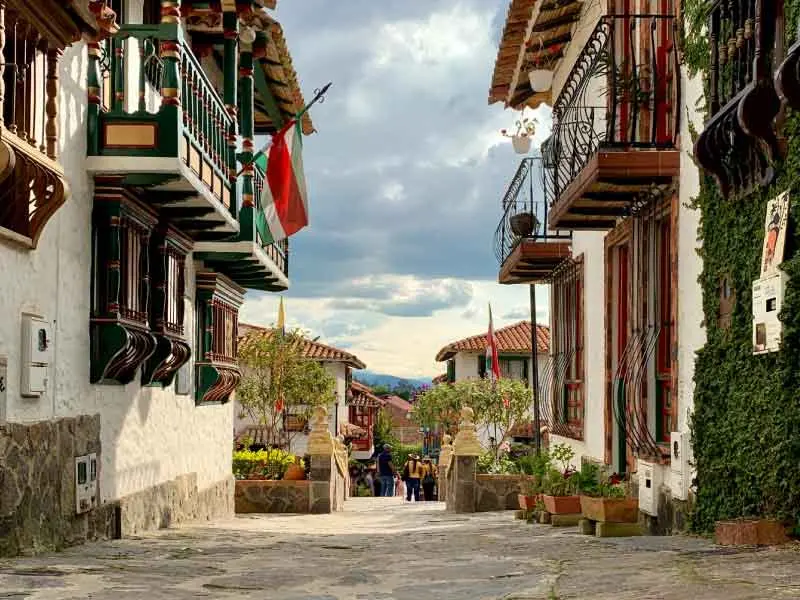
Boyacá is the department richest in history in Colombia and one of the most varied in landscapes: from the páramos of the Sierra Nevada del Cocuy (the largest snow-capped massif in Colombia with 22 peaks above 5,000 meters above sea level) to the La Candelaria desert, passing through Lake Tota (the highest and largest lake in Colombia at 3,015 meters above sea level), the colonial streets of Villa de Leyva and the battlefield where the nation was born in 1819. Its capital is Tunja, a university city founded in 1539.
Villa de Leyva, with its 14,000 m² stone main square —the largest in Colombia—, is the most visited tourist destination in Boyacá and one of the most beautiful towns in Latin America. The department has 123 municipalities, centuries-old pottery craftsmanship (Ráquira), wool textiles (Nobsa, Sogamoso), emeralds (Muzo, Chivor) and a high-altitude cuisine unique in the country.
Main Tourist Attractions
| Attraction | Type | Description |
| Villa de Leyva | Historical Heritage / Colonial | Colonial town founded in 1572, declared a National Monument in 1954. Largest stone Main Square in Colombia, 16th-century convents, Antonio Nariño House Museum, El Fósil Museum (Cretaceous kronosaur), Luis Alberto Acuña House Museum and the La Candelaria Desert 7 km away. |
| Sierra Nevada del Cocuy | High Mountain / Adventure | The largest snow-capped massif in Colombia (22 peaks above 5,000 meters above sea level, highest summit: Ritacuba Blanco, 5,330 meters). Cocuy trekking: 7-10 day circuit through glacial lakes, glaciers and frailejón páramos. Requires National Parks permit. |
| Lake Tota | Nature / Landscape | The largest lake in Colombia (55 km², 3,015 meters above sea level) in a frailejón páramo. Rainbow trout fishing, catamaran sailing, kayaking and visiting El Morro island. Onion cultivation on the lake shores is Boyacá's agricultural heritage. |
| Puente de Boyacá | History / Patriotism | The most important battlefield of Colombian Independence (August 7, 1819). Monument to the Liberator, Santander and the patriot armies. 16 km from Tunja. |
| Ráquira | Crafts / Culture | "The city of pots." Artisan town famous for terracotta pottery painted in vivid colors. Facades decorated with ceramics. La Candelaria Desert convent (Augustinian community since 1597) 8 km away. |
| Tunja — Colonial City | History / Heritage | Department capital, one of the coldest cities in Colombia (13°C average). Metropolitan Cathedral, colonial houses of the conquistadors (Founder Suárez Rendón House), Donato's Well and 16th-century historical museums. |
| Paipa and Hot Springs | Wellness / Nature | Paipa hot springs: sulfur waters at 60°C, spa and thermal hotel on the shores of Lake Sochagota. Haras del Alcázar for equestrian tourism. Paipa Equine Fair every December, the largest in the country. |
| Emerald Mines (Muzo) | Adventure / Culture | Muzo produces 60% of the world's emeralds. Tours to active mines, raw emerald market and lapidary workshops. Colombia is the world's leading exporter of high-quality emeralds. |
Typical Cuisine
Boyacá cuisine is cold-weather and hearty. Ajiaco boyacense (with criolla potato, corn on the cob and chicken) is the star dish. Mazamorra chiquita (corn, potato and meat soup), cocido boyacense (stew of various potato types, broad beans, cubios, chuguas and corn on the cob), changua (milk soup with egg) for breakfast, rib broth, pilado corn arepas and achira biscuit are must-tries. Boyacá corn chicha is the ancestral Chibcha drink.
Adventure and Outdoor Activities
Trekking the Sierra Nevada del Cocuy (7-day circuit, the most spectacular in Colombia) is the ultimate adventure. Paragliding over Villa de Leyva, mountain biking between colonial towns, rock climbing in Suesca (also accessible from Boyacá), kayaking on Lake Tota, caving in the Sáchica caverns and astronomical observation in the La Candelaria desert (dark sky, away from the city) complete the offering.
How to Get There
Boyacá has no commercial airport. Access from Bogotá: Villa de Leyva 3.5 hours via the Troncal Central (Zipaquirá – Ubaté – Chiquinquirá). Tunja 2.5 hours via the Bogotá-Sogamoso highway. Sierra Nevada del Cocuy: overnight bus Bogotá–El Cocuy (9 hours). Frequent buses from Bogotá terminal to Tunja, Duitama, Sogamoso and Chiquinquirá (Flota Sugamuxi, Concorde).
Where to Stay
In Villa de Leyva: colonial lodges and boutique hotels on the main square. Book 2 months in advance for Easter and holiday weekends (completely fills up). In Tunja: affordable 3-star hotels. In Cocuy: hostels in the town of El Cocuy. For Lake Tota: farms and cabins in Aquitania. Paipa: thermal hotel with included access to hot springs.
Festivities and Events
Villa de Leyva Kite Festival (August, the largest in the country), Paipa Equine Fair (December), Wind and Kite Festival (August), August 7 Celebration at Puente de Boyacá (Battle of Boyacá Day, national holiday).
Also check the climate of Boyacá, the list of municipalities of Boyacá and the complete guide to Colombian festivities.
You may also be interested in