Pacific Region of Colombia
Pacific region: list of 4 departments (Chocó, Valle del Cauca, Cauca, Nariño), coastal cities, climate and profiles. Andean overlaps where they apply.
Updated 23 Sep 2026 · Source: Wikipedia / geography
The Pacific region of Colombia is one of the country’s six natural regions. It groups 4 departments of the western littoral: Chocó, Valle del Cauca, Cauca and Nariño.
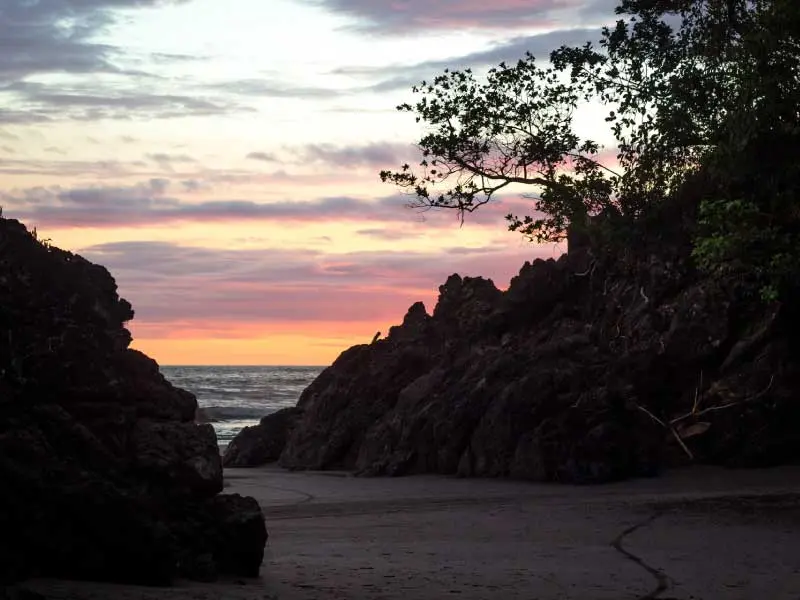
The Pacific zone is the coast facing the Pacific Ocean: humid forest, large rivers, heavy rainfall and a strong Afro-Colombian and Indigenous presence. It includes almost all of Chocó and the coastal zones of Valle del Cauca, Cauca and Nariño.
Reference cities on the littoral: Quibdó, Buenaventura, Guapi and Tumaco. Cali, Popayán and Pasto are not capitals of the Pacific region: they are capitals of the Andean interior of those departments.
Valle del Cauca, Cauca and Nariño also appear in the Andean region (overlaps). See the regions hub.
Departments and capitals
| Department | Reference city | Profile |
|---|---|---|
| Chocó | Quibdó (department capital) | /en/departamento/choco/ |
| Valle del Cauca | Buenaventura (coast; department capital: Cali, Andean) | /en/departamento/valle-del-cauca/ |
| Cauca | Guapi (coast; department capital: Popayán, Andean) | /en/departamento/cauca/ |
| Nariño | Tumaco (coast; department capital: Pasto, Andean) | /en/departamento/narino/ |
Count: 4. Valle, Cauca and Nariño also appear in the Andean region because of their cordillera interior.
Also touches
| Territory | Note |
|---|---|
| Valle del Cauca, Cauca, Nariño | Overlap: Andean interior in the Andean region; Pacific coast here (Buenaventura, Guapi, Tumaco; Malpelo and Gorgona islands). |
| Northern Chocó (Acandí, Unguía) | Can touch Caribbean features; Chocó stays primarily Pacific. See the note on the Caribbean page. |
Location and relief
The region runs along the Pacific littoral. In Chocó the Baudó range, the Atrato and San Juan valleys, and the coastal plain stand out. To the south, the coastal strip of Valle, Cauca and Nariño continues the humid forest and mangrove biome.
Climate
Mostly warm and very humid, with abundant rain along much of the coast. We do not publish invented mm or °C.
Hydrography
- Atrato River
- San Juan River
- Baudó River
- Mira River
- Patía River (lower / coastal course)
Economy
- Fishing
- Forest products
- Mining (gold, platinum)
- Farming (plantain, banana, oil palm in some areas)
- Port of Buenaventura (Valle coast)
- Port and trade in Tumaco
- Nature and coastal-culture tourism
Culture, food and festivals
Afro-Colombian and Indigenous culture of the Pacific: marimba, currulao, alabaos and arrullos. Typical instruments: marimba, bombos, cununos.
Food (coastal examples): fish and plantain in many preparations, coconut rice, seafood, fish sancocho.
Festivals (Pacific littoral):
- San Pacho festivities (Quibdó, Chocó)
- Pacific Littoral Folk Festival (Buenaventura)
- Currulao Festival / Fire Carnival (Tumaco)
- La Purísima festivities (Guapi)
Festivals of the Andean interior of Valle, Cauca or Nariño (for example the Cali Fair or the Blacks and Whites Carnival in Pasto) are covered on the Andean page.
Natural parks (selection)
- Ensenada de Utría National Park
- Los Katíos National Park
- Sanquianga National Park
- Uramba Bahía Málaga National Park
- Gorgona National Park
- Malpelo Flora and Fauna Sanctuary
Biodiversity and rainfall
The Colombian Pacific littoral is known for humid forest, mangroves and some of the country’s heaviest rain. That explains large rivers, river transport and fragile ecosystems. Coastal culture (marimba music, sea and river cooking) is central to the regional identity.
In Chocó, Afro-Colombian and Indigenous communities live side by side. On the coast of Valle, Cauca and Nariño there are ports, coastal municipalities and protected areas of the Pacific biome; the interior of those departments also belongs to the Andean region.
Coastal municipalities and ports
Besides Quibdó, the littoral is organized around coastal municipalities. Buenaventura is Colombia’s main Pacific port. Tumaco anchors the Nariño coast. Guapi, López and Timbiquí concentrate much of Cauca’s coastal life. None of those municipalities makes Cali, Popayán or Pasto a capital of the Pacific region.
River and sea transport remains essential. Many towns connect by river or boat. The region is easier to read by coast and basin than by the political map of the four departments alone.
Frequently asked questions
How many departments does the Pacific region have?
4: Chocó, Valle del Cauca, Cauca and Nariño. The last three also appear in the Andean region.
Why is Chocó sometimes named alone?
Because Chocó is the only department that is almost entirely Pacific. Valle, Cauca and Nariño contribute the coast; their interior is Andean. Here all four are listed, with notes.
Are Cali, Popayán or Pasto capitals of the Pacific region?
No. They are capitals of the Andean interior. The reference cities of the littoral are Quibdó, Buenaventura, Guapi and Tumaco.
Is Buenaventura a department?
No. It is a municipality of Valle del Cauca. Valle appears in both the Andean and Pacific regions.
How does this relate to five-region frames?
The Pacific is one of the continental zones in frames such as IGAC and IDEAM. Here it is one of the six natural regions, with 4 departments and explicit overlaps.
Other regions
Sources
Copy review: 23 Sep 2026 (America/Bogota). Version v3-mau-wikipedia.