Caribbean Region of Colombia
Caribbean region: list of 7 departments, capitals, climate and profiles. Overlaps where they apply (Urabá in Antioquia; northern Chocó). San Andrés is Insular.
Updated 23 Sep 2026 · Source: Wikipedia / geography
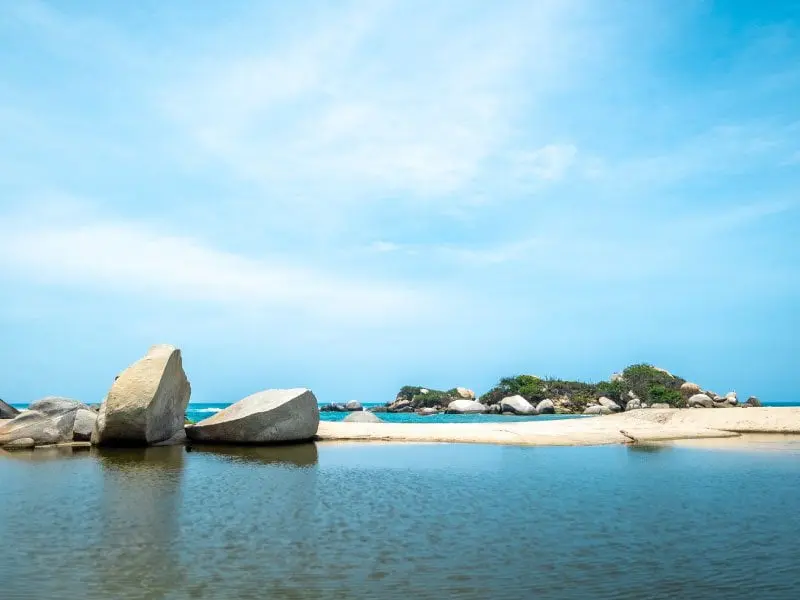
The Caribbean region of Colombia is one of the country’s six natural regions. It groups 7 departments on the northern coast, facing the Caribbean Sea: Atlántico, Bolívar, Cesar, Córdoba, La Guajira, Magdalena and Sucre.
The region is known for coastal plains, a warm climate, coastal culture, tourism and ports. It includes desert in La Guajira, the Sierra Nevada de Santa Marta, inland savannas and the Magdalena delta. San Andrés is not in this table of 7: it belongs to the Insular region, with a cultural link to the Caribbean noted in the FAQ.
See the natural regions hub.
Departments and capitals
| Department | Capital | Profile |
|---|---|---|
| Atlántico | Barranquilla | /en/departamento/atlantico/ |
| Bolívar | Cartagena de Indias | /en/departamento/bolivar/ |
| Cesar | Valledupar | /en/departamento/cesar/ |
| Córdoba | Montería | /en/departamento/cordoba/ |
| La Guajira | Riohacha | /en/departamento/la-guajira/ |
| Magdalena | Santa Marta | /en/departamento/magdalena/ |
| Sucre | Sincelejo | /en/departamento/sucre/ |
Also touches
| Territory | Note |
|---|---|
| Urabá (Antioquia) | Caribbean features; Antioquia stays in the Andean region. It is not added to the 7. |
| Northern Chocó (Acandí, Unguía) | Caribbean–Pacific contact; Chocó stays in the Pacific region. |
| San Andrés y Providencia | Main listing: Insular. Cultural and maritime link with the Caribbean. |
| Rosario / San Bernardo islands | Islands of Bolívar; named on the Insular page as islands, not extra departments. |
Location and relief
The Caribbean region stretches along Colombia’s northern coast. It includes the La Guajira peninsula, the Sierra Nevada de Santa Marta (a mountain system independent of the Andes), the Montes de María, the Mompox depression, the savannas of Córdoba, Sucre and Bolívar, and the Gulf of Urabá (a note).
Climate
A warm climate predominates. Some areas are drier toward the east (Guajira) and wetter toward the west. The Sierra Nevada has thermal floors from the coast to snow. We do not cite fixed °C without a source.
Hydrography
- Magdalena River
- Cauca River (lower course)
- Sinú River
- San Jorge River
- Cesar River
- Ranchería River
- Ciénaga Grande de Santa Marta
- Ciénaga de Zapatosa
Economy
- Ports and trade (Barranquilla, Cartagena, Santa Marta)
- Sun, culture and history tourism
- Coal (El Cerrejón, La Guajira)
- Ferronickel (Cerro Matoso, Córdoba)
- Salt (Manaure, Galerazamba)
- Agribusiness: banana, palm, rice, cassava, cotton
- Cattle on the plains; goats in La Guajira
Culture, food and festivals
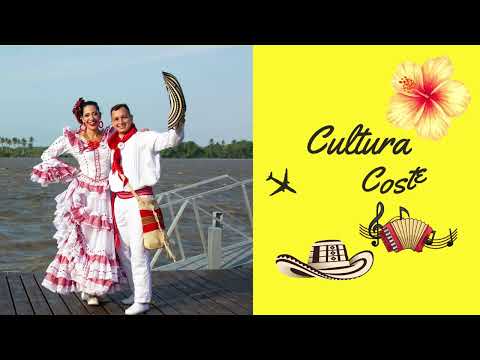
Crafts: vueltiao hat, Arhuaco bag, San Jacinto hammocks.
Food (examples): coconut rice, seafood casserole, egg arepa, carimañolas, butifarra, fish sancocho, goat in La Guajira, enyucado and alegrías.
Music and dance: cumbia, vallenato, mapalé, porro, bullerengue, champeta.
Festivals (selection):
- Barranquilla Carnival (UNESCO)
- Vallenato Legend Festival (Valledupar)
- 11 November festivities and National Beauty Contest (Cartagena)
- Holy Week in Mompox
- Festival of the Sea (Santa Marta)
- Wayúu Culture Festival (Uribia)
- National Cumbia Festival (El Banco, Magdalena)
- 20 January festivities (Sincelejo)
Natural parks (selection)
- Tayrona National Park
- Sierra Nevada de Santa Marta National Park
- Macuira National Park
- Paramillo National Park
- Corales del Rosario y San Bernardo National Park
- Isla de Salamanca Park Way
- Ciénaga Grande de Santa Marta Sanctuary
- Los Flamencos Sanctuary
Natural subregions (reference)
- La Guajira peninsula
- Sierra Nevada de Santa Marta
- Magdalena delta and Ciénaga Grande
- Montes de María
- Savannas of Córdoba, Sucre and Bolívar
- Mompox depression and La Mojana
- Sinú and San Jorge valleys
- Gulf of Urabá (note; Antioquia stays Andean)
These subregions help read the map. They do not replace the department list.
Instruments and dances
Common instruments: gaita, accordion, caja, guacharaca, maracas. Dances and genres: cumbia, mapalé, vallenato, porro, bullerengue, champeta.
Frequently asked questions
How many departments does the Caribbean region have?
7. San Andrés is not counted here; it is Insular.
Is San Andrés part of the Caribbean region?
In this presentation, San Andrés y Providencia is Insular. It shares the Caribbean Sea and cultural ties with the coast. It is not added to the 7.
Does Antioquia (Urabá) count in the 7?
No. It is only a note. Antioquia’s main listing is Andean.
How does this relate to five-region frames?
The Caribbean is one of the continental zones described by frames such as IGAC and IDEAM. Here it is one of the six natural regions, with a list of 7 departments.
Other regions
Sources
Copy review: 23 Sep 2026 (America/Bogota). Version v3-mau-wikipedia.